

Somewhere between the Slack pings, the deadlines that kept multiplying, and the endless insistence to “keep up,” I realized something had changed inside me.
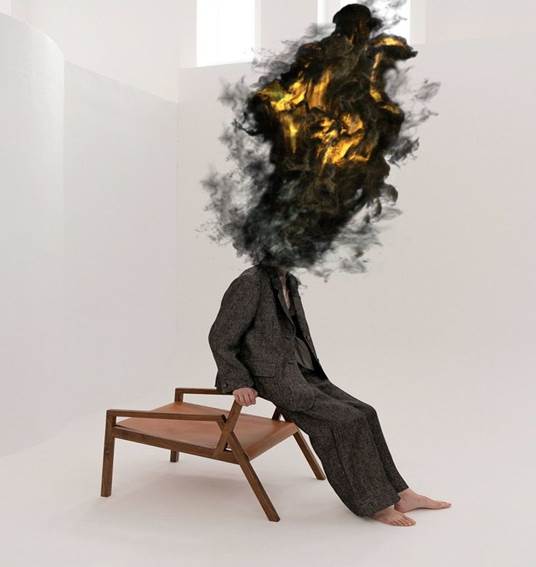
My mind wasn’t loud anymore. It wasn’t buzzing with ideas or plans or the next big move.
It was quiet.
Not peaceful, just tired.
A tiredness that didn’t announce itself with breakdowns or burnout posts.
A tiredness that simply folded itself into the edges of my days until I woke up one morning feeling heavier than I remembered.
And I wasn’t alone.
In 2025, over 60% of tech professionals reported feeling physically and emotionally drained due to the demands of their work, with women significantly more likely to feel this exhaustion than men. techuk.org
Globally, nearly three-quarters of IT professionals experienced work-related stress or burnout, with heavy workloads and skills shortages cited as key contributors. ISACA
2025 was the year we learned that exhaustion can be subtle. It doesn’t always arrive dramatically. Sometimes it just grows silently, like shadows stretching across the floor.
And this year, many of us felt it.
The Pressure to Keep Up
Tech doesn’t wait for anyone.
AI updates dropped weekly. Tools evolved faster than I could learn them. Everyone online seemed to be taking another course, building a new side project, announcing a new milestone.
Meanwhile, I was just trying to stay present.
There’s a silent pressure in tech, especially for women, to always be on, always be excellent, always be learning something new. To be resilient, composed, unshaken, even when the ground beneath you keeps shifting.
But statistics show this pressure isn’t just perception. Surveys reveal that women in tech experience higher levels of exhaustion and burnout than men, with higher emotional exhaustion and fatigue across roles. techuk.org
There was the work I did.
And then there was the work I carried.
The emotional labor, the kind of labor you never log anywhere, but you feel it long after the laptop closes.
Digital Overload Doesn’t Equal Connection
This year, I was talking to dozens of people a day, on Zoom, in DMs, in emails, yet there were days I felt profoundly alone.
Hyperconnectivity is a strange thing.
You can be reachable at all times and still feel unseen.
Studies also show that most knowledge workers report being negatively affected by technology, with many citing notification overloads, digital overwhelm, and “technostress” as sources of anxiety and strain. IT Pro
We have more digital tools than ever, yet our attention feels thinner, and our rest harder to find.
There were moments I wondered if technology had made me more efficient and less present at the exact same time.
The Comparison Trap
Social media has mastered the art of making us feel behind.
Every scroll showed someone doing more, earning more, learning more. Meanwhile, I was proud of myself for simply remembering to drink water.
And that’s the part we don’t say out loud:
Sometimes growth looks like surviving.
Sometimes progress looks like resting.
Sometimes stability is an achievement.
But platforms don’t celebrate that.
So we learn to hide it.
The Quiet Moments That Saved Me
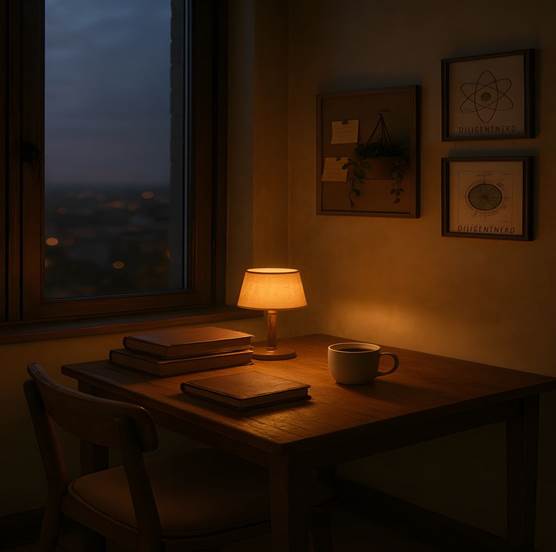
Somewhere along the year, my body whispered “slow down,” and for once, I listened.
Not through some big revelation, just through small, ordinary moments:
- putting my phone on Do Not Disturb
- taking a walk without headphones
- writing my thoughts instead of powering through them
- letting myself feel things I had postponed in the name of productivity
Research shows that flexible and hybrid work arrangements can actually boost mental well-being, especially for women ,with hybrid setups linked to notable improvements in psychological health. The Times of India
I didn’t heal through hustle.
I healed through presence.
Through remembering the parts of myself that didn’t need achievement to exist.
In those quiet pockets of the year, I found a version of myself I had almost forgotten:
the one who feels deeply, thinks slowly, and creates intentionally.
What I’m Taking Into 2026
I’m not entering the new year with resolutions or a need to reinvent myself. I don’t want to master more tools; I want to live more fully in my humanity. 2025 taught me that while staying updated matters, staying human matters more, that productivity can disguise exhaustion, that rest is a boundary, not a luxury, and that constant strength can quietly betray us. The fatigue we feel isn’t imagined; it’s real and widespread.
So in 2026, I don’t want to be stronger. I want to be softer and still whole. To learn without rushing, work without losing myself, connect without performing, and rest without guilt. I’m not rejecting technology or ambition, I’m redefining my relationship with them. I want to build and contribute at a pace that honors both people and limits, believing that the future of work and tech doesn’t need more speed, but more care.
Maybe that is the real upgrade we all need.
No responses yet